
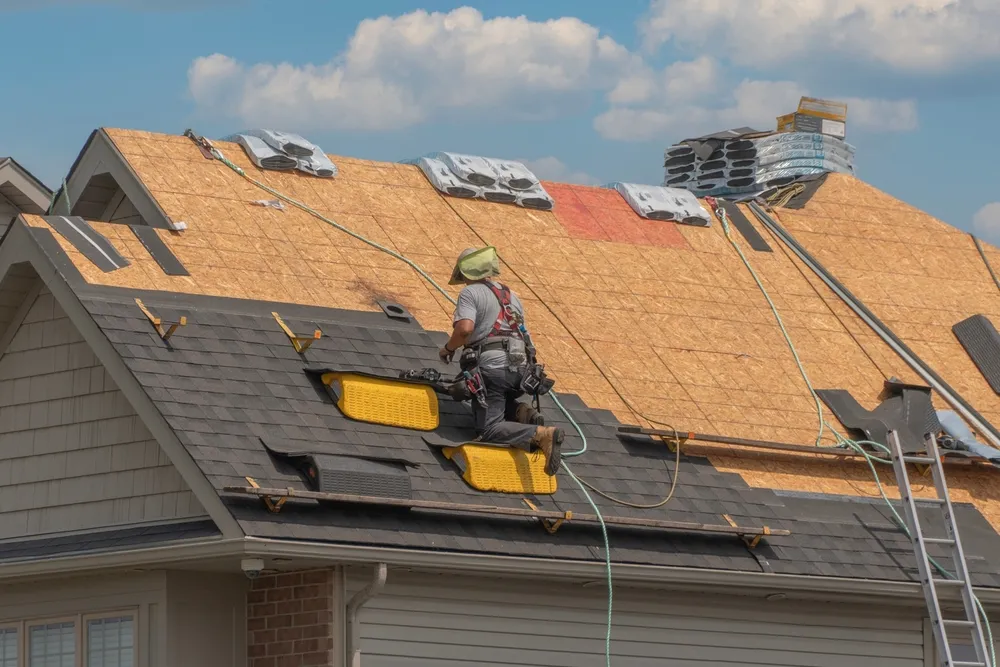
Investing in a new roof can noticeably improve your home’s energy efficiency and reduce heating costs in Central New York’s cold climate. Energy-efficient roofing materials cut heat loss, improve comfort, and can raise property value. This article outlines which materials perform best in cold weather, how they lower heating bills, and why proper insulation, ventilation, local contractors, and financing options matter when planning a replacement.
For cold climates, prioritize durability and thermal performance. Common effective options include asphalt shingles, which are cost-effective and provide reasonable insulation for many homes and metal roofing, known for being long-lasting, weather-resistant, and capable of improving thermal performance when installed with proper underlayment
Energy-efficient roofing reduces heat loss by improving insulation and minimizing thermal bridges. Reflective surfaces and insulated assemblies help the roof retain indoor heat in winter. Proper roof ventilation also prevents moisture buildup and helps insulation perform as intended, so heating systems run less frequently and use less fuel.
Durability and insulation both matter. Metal roofing often lasts decades and performs well thermally and high-grade asphalt shingles last 20–30 years with adequate insulation. Prioritize products and installations that deliver both longevity and consistent thermal protection.
Replacing an aging roof is an upfront expense that typically pays back over time. A properly chosen and installed energy-efficient roof can reduce heating bills (often up to 30%), improve resale value, and qualify homeowners for tax credits or rebates. These incentives can help offset installation costs.
Precision Roofing and Remodeling provides roof replacements focused on energy performance and durability suited to Central New York conditions.
Good insulation maintains stable indoor temperatures and reduces heating demand. Ventilation controls moisture to prevent mold and structural damage, preserving the effectiveness of insulation. Together, they extend roof life, improve indoor air quality, and lower long-term energy costs.
Local contractors understand regional weather patterns, snow and ice challenges, and applicable building codes. They can recommend materials and installation methods proven in the area and often provide personalized service, local warranties, and supplier relationships that help secure suitable materials.
When hiring a contractor, check essentials such as proper licensing and liability insurance to protect your home, choose contractors with local experience and positive customer feedback, and ensure warranties cover both materials and workmanship. Verifying these elements reduces risk and supports a successful project.
Local professionals recommend material choices, underlayment, insulation levels, and ventilation strategies that withstand heavy snow and ice. They ensure compliance with codes and suggest details like ice-and-water shields and appropriate ventilation to prevent common winter-related roof failures.
Homeowners should explore home improvement loans from local banks or credit unions, as well as state and federal rebate programs for energy upgrades. Combining financing with rebates can substantially reduce net out-of-pocket costs.
Flexible financing allows homeowners to spread payments over time. Options may include contractor financing, home equity or personal improvement loans, and plans with low-interest or deferred payments. Paired with rebates, financing makes energy-efficient upgrades more accessible. Understanding and comparing offers helps homeowners choose the most cost-effective path to replace their roof.
Beyond energy efficiency and cost savings, a new roof significantly contributes to your home’s overall structural integrity and safety. Regular maintenance, such as clearing debris, inspecting for damage after storms, and ensuring gutters are clean, helps prolong the life of your roof. Proper maintenance prevents minor issues from escalating into costly repairs or premature roof failure.
Another important factor is the environmental impact of roofing materials. Many modern roofing options are designed with sustainability in mind, using recycled content or materials that can be recycled at the end of their lifespan. Choosing environmentally friendly roofing materials can reduce your home’s carbon footprint and contribute to broader ecological benefits.
Additionally, the aesthetic appeal of a new roof can enhance your home’s curb appeal and complement its architectural style. With a wide range of colors, textures, and finishes available, homeowners can select roofing materials that not only perform well but also elevate the visual character of their property.
Proper installation techniques are crucial to ensure the roof performs as intended. This includes attention to flashing, sealing, and integration with other building components, such as chimneys and skylights. Skilled installers help prevent leaks and other issues that can compromise the roof’s effectiveness and durability.
Finally, a well-designed roof can improve indoor air quality by preventing water intrusion and mold growth. This creates a healthier living environment for occupants, which is especially important in regions with cold, damp winters like Central New York.
Upgrading to energy-efficient roofing tailored to Central New York can reduce heating costs, improve comfort, and increase property value. Prioritize durable materials, proper insulation, and ventilation, and work with vetted local contractors. Explore financing and rebate options to lower upfront costs, and consult a roofing expert to plan the right solution for your home.
25 Chestnut St
Cooperstown NY 13326
Mon - Sat 9am- 5pm
Sun Closed
Call us for a free estimate
607-760-8100