
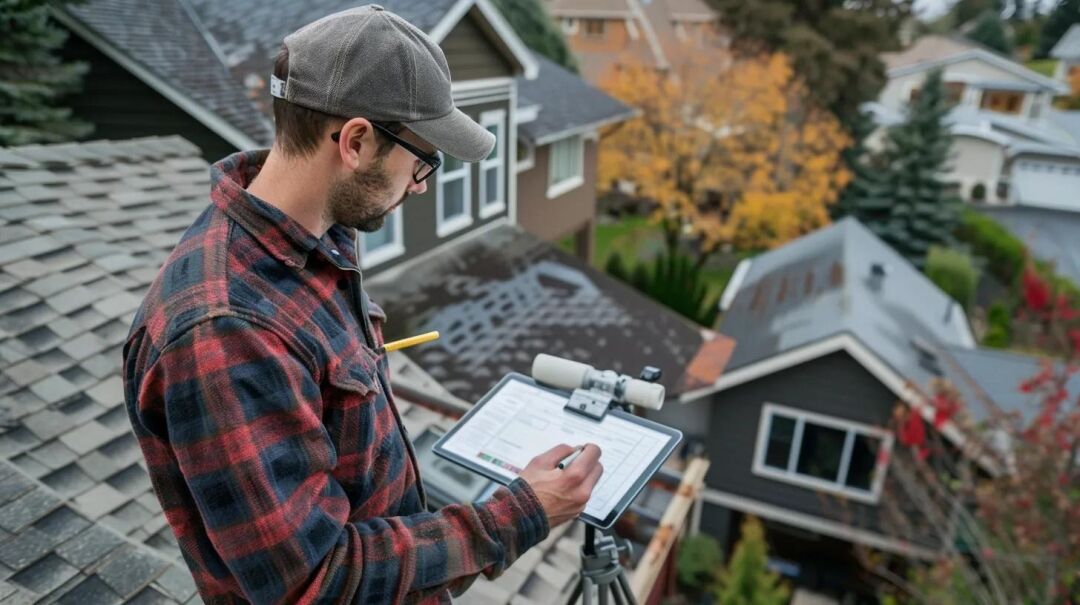
A professional roof inspection is a systematic evaluation of a roof’s condition that identifies hazards, structural weaknesses, and early signs of failure before they threaten occupant safety or property value. This article explains how expert inspectors detect hidden damage, quantify risk, and recommend repairs that prevent leaks, collapse, mold growth, and insurance complications. Homeowners will learn what inspectors examine, which advanced tools improve accuracy, the measurable benefits of regular inspections, and when to schedule checks for optimal safety in Hudson, NY and the Hudson Valley. The piece also contrasts DIY approaches with professionally documented inspections and shows how inspection findings translate into maintenance actions and insurance support. Read on for practical checklists, and clear steps you can take to reduce roofing risk and preserve your home.
A professional roof inspection is crucial because it uncovers safety hazards and structural issues before they escalate into dangerous failures, health risks, or costly emergency repairs. By systematically checking the roof envelope and attic, inspectors detect water intrusion, compromised framing, ventilation failures, and conditions that promote mold and rot, thereby protecting occupants and reducing liability. Early detection reduces the likelihood of sudden collapses, electrical hazards from water contacts, and long-term degradation that could jeopardize indoor air quality. The next paragraphs break down specific risks inspections help prevent and explain why homeowners should avoid DIY rooftop assessments for safety reasons.
Professional inspections target the most common and consequential roof-related risks to household safety and property integrity. Inspectors find and document leaks that, left unchecked, cause rot, structural weakening, and mold that poses respiratory hazards; they also identify compromised flashing and clogged vents that can create fire risks or allow pests entry. Inspections detect ice-dam formation and snow-load concerns in cold months, which can lead to sudden interior collapses or detached gutters that injure people below. One industry estimate indicates that preventative roof maintenance can reduce the risk of major repairs by up to 50%, underscoring how inspections translate to direct safety outcomes and lower emergency exposure.
DIY roof inspections commonly expose homeowners to elevated fall risk and miss hidden problems that require diagnostic equipment and experience to identify. Climbing ladders without safety harnesses or fall protection, misjudging load-bearing capacity under snow, or attempting to inspect attic framing without proper lighting and PPE all create avoidable injury risk. Additionally, homeowners without thermal imaging or moisture meters may overlook attic moisture and insulation failures that are invisible to the naked eye, resulting in delayed remediation and worsening damage. For liability and warranty reasons, professional documentation and trained observation are essential when safety and insurance support matter.
A professional roof inspection examines both exterior and interior components plus measurable indicators to assess overall roof health and safety. Inspectors review shingles, flashing, gutters, vents, chimneys, and the roof deck for physical wear, attachment issues, and seal integrity, then inspect the attic for moisture, insulation, and ventilation performance that indicate hidden leaks. Advanced diagnostic tools—drones for external imagery, infrared cameras for moisture mapping, and moisture meters for quantitative reads—augment visual checks and reduce dangerous rooftop exposure.
Professional roof inspections commonly include core component checks such as shingles and surface coverings, where inspectors look for missing, cracked, or lifted shingles that allow water entry. They also examine flashing and penetrations, verifying seals around chimneys, vents, and skylights to prevent leaks. Furthermore, gutters and drainage are inspected to confirm attachment, slope, and clear flow, avoiding water pooling and ice dams. This comprehensive approach highlights what inspectors prioritize and leads into component-specific failure indicators and advanced tool usage for accurate diagnosis.
Inspectors break the roof down into specific components and record attributes that predict failure or safety risk. They assess shingles for integrity, granule loss, and secure attachment; flashing for corrosion, gaps, or failed seals; gutters and downspouts for blockages or separation that cause improper runoff and foundation risk. The roof deck and underlayment are checked where accessible for rot or soft spots, while attic insulation and ventilation are reviewed because poor ventilation accelerates moisture buildup and structural decay. This component-level assessment shows common attributes and what failing values look like.
Advanced tools change both the accuracy of diagnostics and the safety profile of an inspection by reducing the need for risky rooftop access and revealing hidden conditions. Drones capture high-resolution aerial imagery of steep or fragile roofs, allowing detailed visual assessment without putting inspectors or homeowners at risk. Infrared thermography highlights temperature differentials caused by moisture or voids, pinpointing areas that require invasive follow-up while avoiding unnecessary rooftop walking. Moisture meters and borescopes quantify water intrusion and visualize concealed cavities, enabling targeted repairs that prevent broad destructive interventions and lower occupant exposure to hazards.
These tools create precise inspection records and reduce uncertainty, which helps homeowners prioritize safety-focused repairs and minimizes the time workers spend on elevated surfaces.
Regular professional roof inspections deliver multiple benefits that center on safety, cost avoidance, and long-term property preservation. Inspections intercept small issues—loose shingles, failing seals, minor leaks—that, if unattended, can evolve into structural failures, mold outbreaks, or interior water damage that threaten occupant health and necessitate replacement. Well-documented inspections also support warranty compliance and streamline insurance claims by providing dated, professional reports that show the timeline and cause of damage.
Inspections extend roof life by detecting deterioration early and enabling targeted maintenance such as replacing a handful of damaged shingles, re-sealing flashing, or clearing blocked gutters before rot or structural compromise sets in. Minor interventions are markedly cheaper and less disruptive than full deck replacement or emergency teardown, and they prevent progressive moisture infiltration that undermines framing and insulation. By scheduling repairs based on inspection findings, homeowners preserve materials and avoid accelerated replacement cycles, which reduces long-term environmental waste and cost. Regular maintenance informed by inspections keeps the roof performing to design expectations and protects interior finishes and occupant safety.
Scheduling inspections at the right times maximizes safety benefits and prevents avoidable damage. A baseline annual inspection is recommended for most roofs, with additional checks after major storms, before winter or after severe winter weather, and prior to property transactions to verify condition. In climates like Hudson, NY and the Hudson Valley, seasonal triggers such as heavy snowfall, spring thaw, and autumn leaf drop meaningfully affect inspection timing because they influence ice dam formation, runoff capacity, and debris buildup. Homeowners can prioritize safety-focused checks based on common event triggers and recommended inspection timeframes.
For most residential roofs, an annual professional inspection provides a reliable baseline for safety and maintenance planning, while older roofs or those in harsh exposure zones may benefit from semi-annual reviews. Additionally, any significant weather event—windstorm, hail, or unusually heavy snow—warrants a prompt inspection to identify delayed damage such as lifted shingles or compromised flashing. Pre-sale and post-repair inspections ensure transparency and verify that work addressed identified hazards correctly. Adhering to a predictable inspection schedule reduces surprise failures and improves planning for staged repairs or replacement.
Hudson, NY experiences seasonal patterns—cold winters with snow and ice, spring thaws, and autumn leaf fall—that create specific roof vulnerabilities requiring seasonal attention.
In winter, ice dams and snow loads threaten shingles and gutters, so early fall inspections that confirm ventilation and eaves protection reduce ice-dam risk.
Spring inspections focus on detecting thaw-related leaks, checking flashing, and ensuring gutters handle increased runoff from melting snow.
Autumn checks clear debris and inspect valley and gutter function to prepare the roof for winter storms, reducing the chance of winter emergency repairs.
Residential roof inspections translate technical findings into prioritized safety actions that homeowners can understand and implement. Inspectors evaluate attic conditions, ventilation, electrical penetrations, and drainage to identify both immediate hazards and maintenance priorities, then provide a clear report with recommended repairs, timelines, and safety implications. For homes in Hudson Valley communities, inspectors adapt checklists to local materials, roof ages, and seasonal stressors, advising on targeted mitigations like improved attic ventilation or gutter upgrades. The residential safety checks included in inspections are crucial for occupant protection. These include an attic moisture and insulation check, which prevents mold and structural rot by catching hidden leaks early. A ventilation assessment ensures balanced airflow to avoid condensation and thermal stress that damage materials. Finally, flashing and chimney inspections eliminate leak paths that can cause interior water damage and electrical hazards.
Residential inspections focus on checks that directly affect occupant safety and comfort, such as attic moisture levels, insulation coverage, ventilation effectiveness, and the condition of electrical penetrations through the roof. Inspectors also evaluate gutters and downspouts for proper attachment and flow to prevent water pooling near foundations and façades, which can cause structural problems that indirectly threaten safety. Chimney and vent seals are inspected to avoid carbon monoxide pathways and water entry, while accessible decking and framing are assessed for rot or soft spots that indicate structural compromise. The inspection report translates these findings into clear remediation steps prioritized by safety impact.
Local inspections in Hudson, NY tailor assessments to regional climate patterns, common building stock, and vegetation patterns that influence roof performance. Inspectors emphasize ice-dam prevention in winter by checking attic insulation and eave ventilation, and they inspect historic or older roof assemblies more closely for age-related failure modes found in the region. In areas with mature trees, debris and moss checks are prioritized because leaf accumulation accelerates moisture retention and membrane deterioration. Localized recommendations may include material choices and ventilation improvements that align with Hudson Valley weather cycles to reduce the frequency of emergency interventions and sustain safe roof performance.
In conclusion, professional roof inspections are an indispensable investment for homeowner safety and long-term property protection. By systematically identifying hidden damage, mitigating risks, and providing expert recommendations, these services prevent costly repairs, extend roof lifespan, and ensure the structural integrity of your home. Regular inspections, especially those tailored to local conditions in areas like Hudson, NY, are key to maintaining a safe, healthy, and valuable property for years to come.
25 Chestnut St
Cooperstown NY 13326
Mon - Sat 9am- 5pm
Sun Closed
Call us for a free estimate
607-760-8100