
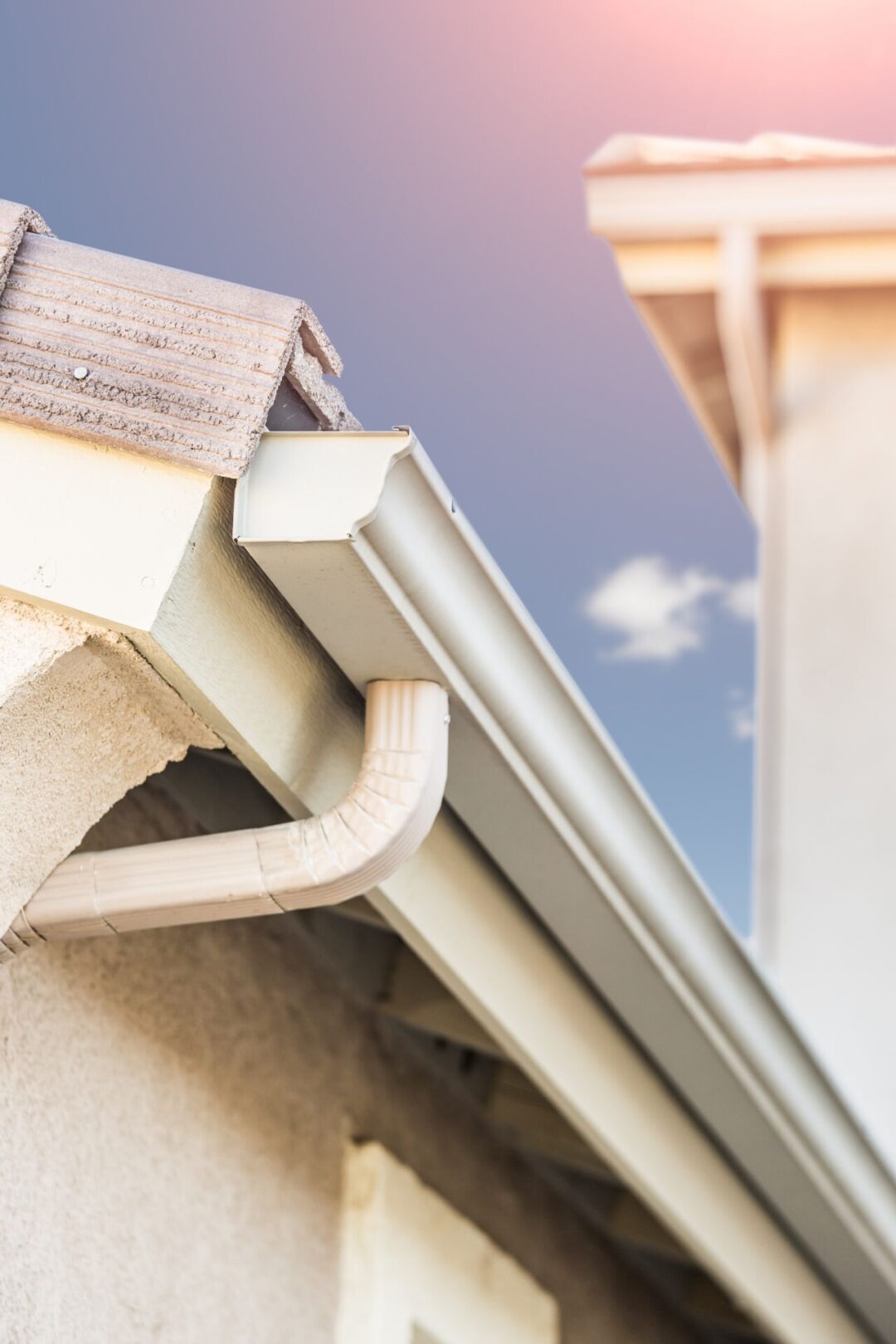
As winter approaches in the Catskill region, homeowners face the looming threat of ice dams and roof leaks, which can lead to significant damage if not addressed promptly. Ice dams form when snow melts on the roof, runs down, and refreezes at the eaves, creating a barrier that prevents proper drainage. This article will explore the causes of ice dams and roof leaks, effective prevention strategies, and maintenance tips to protect your home during the harsh winter months. We will also discuss the available roof leak repair services in Catskill, NY, and how to choose the right solutions for your winter roofing needs.
Ice dams and roof leaks are primarily caused by a combination of heat loss from the home, snow accumulation, and fluctuating temperatures. When heat escapes from the attic, it warms the roof surface, causing snow to melt. The melted water flows down the roof until it reaches the colder eaves, where it refreezes, forming an ice dam. This dam can trap water behind it, leading to leaks that can damage insulation, ceilings, and walls.
The formation of ice dams can lead to roof leaks through a process known as backflow. When water accumulates behind an ice dam, it can seep under shingles and into the roof structure. This can cause significant damage, including mold growth, rotting wood, and compromised insulation. Homeowners may notice water stains on ceilings or walls, indicating that a leak has occurred. Preventive measures, such as proper insulation and ventilation, can help mitigate these risks.
Snow load and weather patterns significantly influence the risk of ice dams. In Catskill, heavy snowfall combined with fluctuating temperatures can create ideal conditions for ice dam formation. Historical data shows that winters with above-average snowfall and temperature swings increase the likelihood of ice dams. Homeowners should be aware of these patterns and take proactive measures to reduce snow accumulation on their roofs.
Proper attic insulation and ventilation are crucial in preventing ice dams. Insulation helps retain heat within the living spaces, while ventilation allows cold air to circulate in the attic, keeping the roof surface cold. This combination prevents the melting and refreezing cycle that leads to ice dam formation.
Effective attic insulation practices for Catskill homes include using materials with a high R-value, such as fiberglass or spray foam. Homeowners should ensure that insulation is evenly distributed and covers all areas, including around ducts and vents. Additionally, sealing any air leaks can enhance the effectiveness of insulation, reducing heat loss and minimizing the risk of ice dams.
Proper roof ventilation is essential for maintaining a consistent temperature across the roof surface. Ventilation systems, such as ridge vents and soffit vents, promote airflow that helps keep the roof cold. This reduces the chances of snow melting and refreezing, thereby minimizing ice dam formation. Homeowners should regularly check and maintain their ventilation systems to ensure optimal performance.
Regular roof maintenance is vital for preventing winter roofing issues. Homeowners should conduct inspections before and during the winter months to identify potential problems. This includes checking for loose shingles, damaged flashing, and signs of wear.
To prevent ice dams, homeowners should safely remove snow from their roofs using a roof rake. This tool allows for the removal of snow without climbing onto the roof, reducing the risk of falls. It is essential to start from the edge and work upwards to avoid damaging shingles. Additionally, homeowners should avoid using sharp tools that could harm the roof surface.
Roof heating cables can be an effective solution for preventing ice dams, especially in areas prone to heavy snowfall. These cables are installed along the roof’s edge and in gutters to melt snow and ice, allowing for proper drainage. Homeowners should consider using heating cables when temperatures consistently drop below freezing and snow accumulation is significant.
In Catskill, several roof leak repair services are available to address ice dam-related damage. These services typically include inspections, repairs, and emergency response options for leaks that occur during winter storms.
Roofing contractors assess ice dam-related damage by inspecting the roof and identifying areas where water has penetrated. They may use various repair techniques, including replacing damaged shingles, sealing leaks, and improving insulation and ventilation. Cost estimates for these repairs can vary based on the extent of the damage and the materials required.
During winter, many roofing contractors offer emergency repair solutions to address leaks quickly. These services often include 24/7 availability and rapid response times to minimize damage. Homeowners should keep contact information for local contractors handy in case of emergencies.
Selecting the right roofing solutions for winter involves considering several factors, including material durability, insulation properties, and local expert recommendations. Homeowners should prioritize materials that can withstand the harsh winter conditions typical of the Catskill region.
Roofing materials such as metal, asphalt shingles, and slate are known for their durability in winter conditions. Metal roofs, in particular, are effective at shedding snow and ice, reducing the risk of ice dams. Homeowners should consult with roofing professionals to determine the best material for their specific needs.
When selecting local experts for ice dam removal and leak repair, homeowners should consider several factors. Checking credentials, experience with local conditions, and customer reviews can help ensure that the chosen contractor is qualified. Asking potential contractors about their approach to ice dam prevention and repair can also provide valuable insights into their expertise.
25 Chestnut St
Cooperstown NY 13326
Mon - Sat 9am- 5pm
Sun Closed
Call us for a free estimate
607-760-8100